Consider it a lesson in what could happen if you design faulty devices and the disastrous outcomes that they could bring. Inspired by the humorous Ian Frazier-written Coyote v. Acme lawsuit that was featured in the New Yorker back in 1990, Daniel Weil of design studio Pentagram has reimagined the designs for five gadgets that inevitably failed Wile E. Coyote and produced cartoon-style bodily harm in his never-ending attempt to capture that pesky Roadrunner. In these detailed technical diagrams, Weil playfully explores an unfortunate situation that no company or product designer wants to find themselves in.
Consider it the ultimate snowmobile if you and your four closest friends want to leave the ski lift to the ‘commoners’. The RaptorTrax is a new concept vehicle built off of a Ford F-150 SVT Raptor base that professional rally driver Ken Block will be unveiling (and bragging about) later this week in Aspen, CO at the Winter X Games.
For thousands of years, casting aqueous substances and drying them into usable forms has been a core technique in manufacturing, and one of the greatest advancements made in human technology. From ceramics and metals to glass and plastics, countless methods of casting have been invented to exhume objects from molds over the millennia. But unfortunately, many of these methods have become forgotten as industry has made things more efficient on a massive scale. This is not, by any means, to say that modern manufacturing has killed the craftsperson, but in some ways, it often does keep us jaded from the inspiration that can be derived from ancient processes.
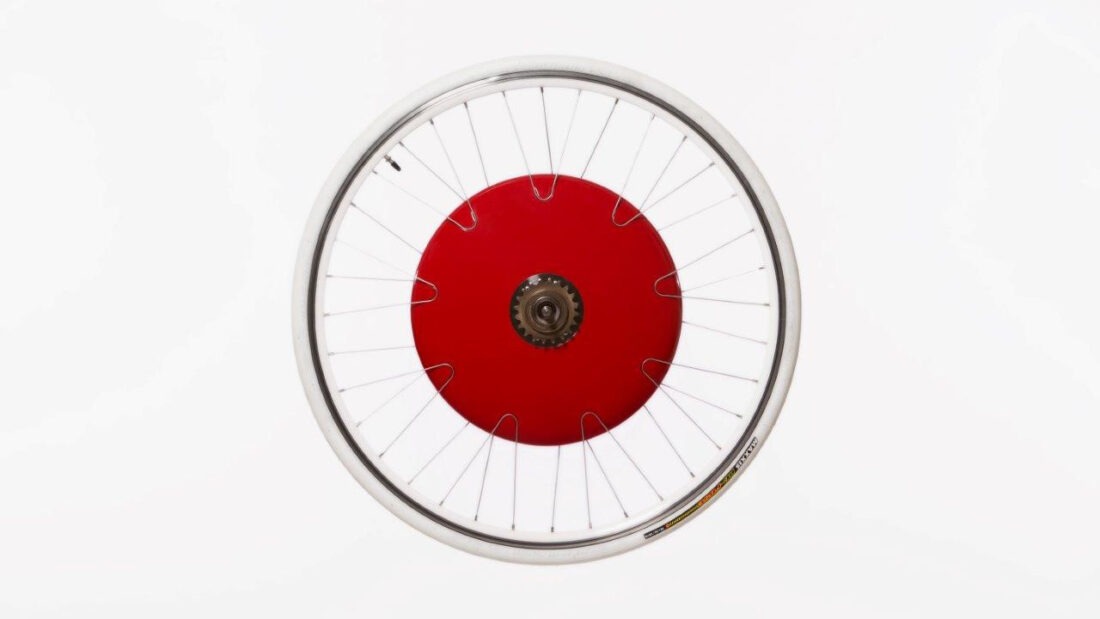
Unless you’re living under a rock, you’ve seen either the FlyKly Smart Wheel or the Superpedestrian Copenhagen Wheel — probably somewhere in your Facebook News Feed. As an avid cyclist, I knew the first moment I saw the Copenhagen Wheel that I would buy one, but got pretty confused when FlyKly launched their Kickstarter campaign with what appeared to be a carbon copy of the Copenhagen Wheel. These two very similar e-bike products are great examples of different ways to bring an innnovative new product to market. Their stories gave me the opportunity to learn more about some key areas of product development — funding, IP, community, and product development teams.
Last November, SolidSmack reported on Gerhard de Clercq and Pieter Scholtz, two South African teens who developed a clever app that allows users to transmit plotting data from their mobile phones to 3D printers via Bluetooth. After achieving some well-deserved fame and respectable media coverage, the duo continued their work toward refining their original creation. The product has officially been released, and is now available for download.