When Hans Christian Ørsted discovered Aluminum in 1825, it would have been very difficult for him to have foreseen the many domestic uses and aesthetic applications that the material would ultimately take-on in the modern age. It was hardly one century ago that architects and designers truly began to capitalize on the use of raw, exposed, industrial metals on a massive scale. Using iron, steel, and aluminum in undecorated ways to flaunt the natural beauty of metals is an arguably new trend in consumer design theory, and one that hardly existed prior to Art Nouveau and Art Deco. But when Apple released the first aluminum G5 series in 2003, so began the new era of chic aluminum.

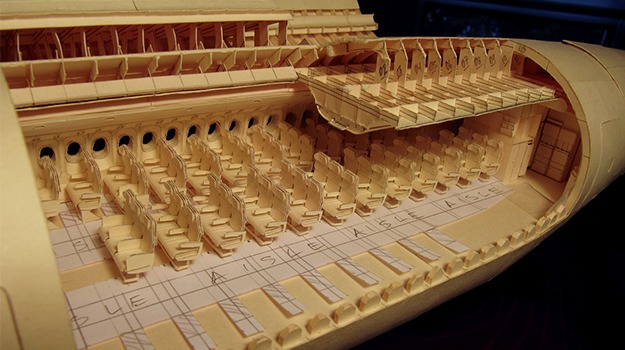
No matter how advanced we’ve come with the latest in 3D printer capabilities ranging from resolution to materials, it is still obviously difficult to appreciate the ‘craftsmanship’ of a digitally fabricated model over a hand-built one. Take for example, this 1:60 scale model of a Boeing 777 made out of manila file folders from master sculptor Luca Iaconi-Stewart. In his YouTube video series, Iaconi-Stewart guides us through some of his insanely detailed processes of creating this life-like scale model out of something we all associate with boring office work…and perhaps gives us all a lesson in patience and craftsmanship.

Reinventing the Wheel: Part 1, Part 3

Now that we all agree that these smart wheels are significant and innovative products, we can  take a closer look at FlyKly and Superpedestrian to determine which company is and will continue to be the innovator. Today we’ll examine how both companies manage their user communities and fund their endeavours. What we’ll see is that by failing to engage the community that they developed by using Kickstarter, FlyKly is not setting up for success. Superpedestrian, on the other hand, is actively building an engaged community, but their reliance on venture capital funding leaves us with some unknowns for their future.