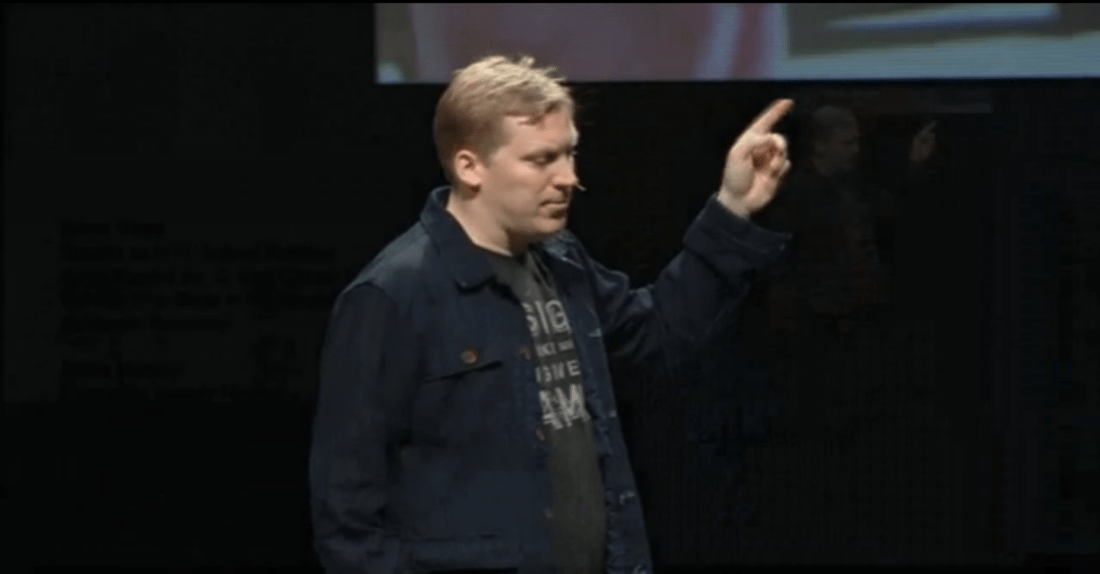
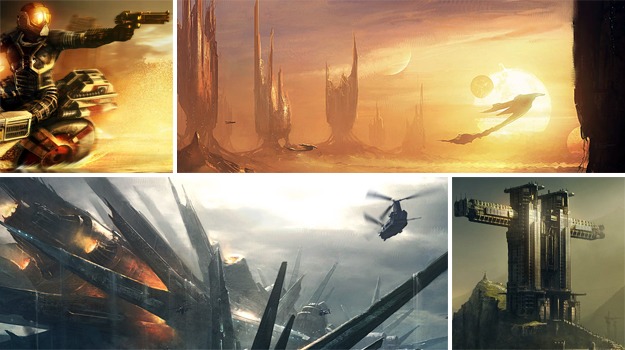
Filtered beet juice streamed down the bark-like surface. It moved in a slightly rigid motion as mossy highlights painted its north side in the light of the winter moon. Partially frozen, it took a ladder to stand upon its root. And it was clear, upon tasting the beet juice, this creature had sipped from the…
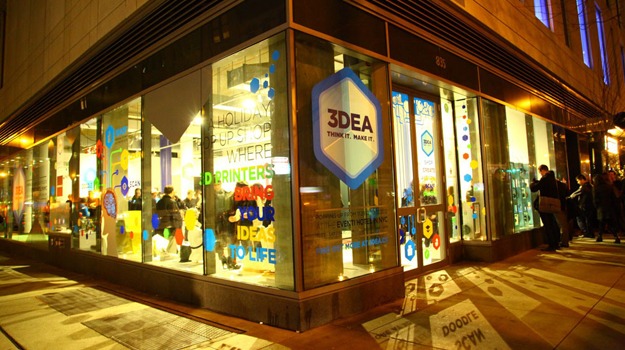
If canned goods and homemade sweaters don’t seem to suit the bill for your relatives anymore, and you happen to be in the NYC area in the next few weeks, consider stopping by this mega-cluster of 3D printed goodness. Created by Openhouse and Launched in collaboration with Shapeways, UP!, and Ultimaker, the shop features many outlets for customers to design and print gifts directly on-site. From jewelry and toys to chairs and even sex toys, the world of custom gift-giving just got a whole lot more personal—and accessible.

James George and Jonathan Minard aren’t your average documentary filmmakers. Currently fellows at the Frank-Ratchye STUDIO for Creative Inquiry at Carnegie Mellon University (try saying that with a mouth full of peanut butter), the two have used their media arts backgrounds to create a stunning interactive documentary that asks: “What does it feel like to think with code? How can emerging technologies enable us to actualize our dreams? How has online sharing transformed the way artists collaborate?”

The user experience considerations with pitcher-based water filtration systems over the years has been an interesting phenomenon to watch. From reusable vinyl stickers indicating the filter change-out cycle, to electronic timers embedded in the handles, filtered water has seen some impressive technological advances. With the success of subscription-based business models such as Dollar Shave Club and Hall&Madden Shirts, it comes with little surprise that one of the next services in line would be a water filter service with a sleek carafe to boot.

As new iPhones and gadgets roll out, it’s easy to forget that there is a market out there that needs design in ways beyond what most people can fathom. From war zones to areas devastated by natural disasters among others, how can we as designers, engineers, and makers apply ourselves to look beyond our own means of living and innovate in ways that help those less fortunate than ourselves?