In a machining era that is quickly becoming dominated by 3D printing technology, it is important to not overlook some of the advancements that are developing in the CNC world. After all, not everything can be build-to-spec from the ground-up, and for those projects which just ‘need some relief’, we turn to our mills—and what a nifty mill the Othermill is!

We’ve seen a lot of biomedical applications for 3D printing in recent years—the medical industry is a natural breeding-ground for marketable ideas which require the extreme customization that 3D printing and scanning can provide. The promising real estate for 3D printing in human anatomy is diverse, and has many open doors for innovations ranging from the incomprehensibly complex, to the remarkably simple.

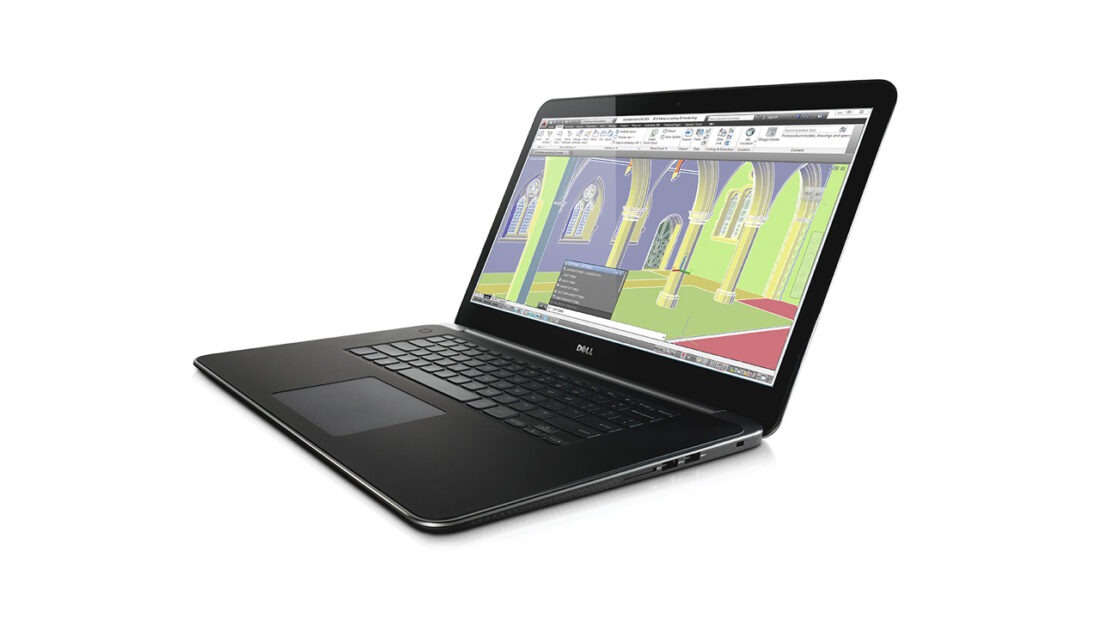
Remember when Dell announced the announcement of their latest laptop last July at SIiggraph? Of course you do. The Precision M3800 is the sub-$2k lappy with loads of style that weighs less than a Maltese pup and cooks your cad models like a high-end cooktop. Today, the official release date popped up on the M3800 webpage and press releases were sent near and far, so drop the visual of cute puppies frying apple latkes at the stove and have a look at these specs.

As designers, we all want our designs to last forever but we are also beginning to see what a terrifying world it would be if everything we create really did last forever. The permanence of plastics has gone from a dream to a nightmare where literally everything that we have made out of plastic that hasn’t been recycled or burned will remain in its current state for 1000’s of years. Luckily, there is hope on the horizon in the form of Arboform, a 100% biodegradable thermoplastic made of lignen, the structural part of a plant’s cell wall and a waste product of paper manufacturing.

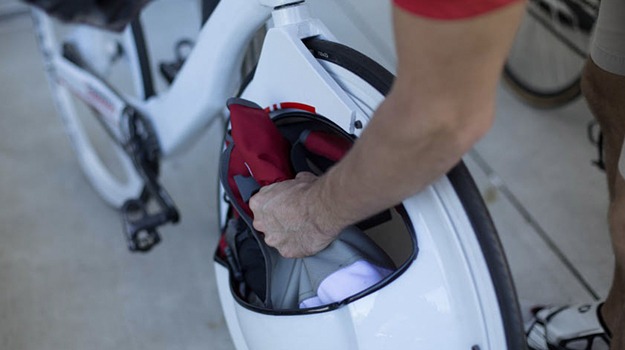
As bicycles increasingly become the go-to transportation of choice for urban dwellers, pre-existing problems that have plagued cyclists for years become highlighted and with them (hopefully) new and better solutions to make riding a better experience. Take for example the problem of commuting with a messenger bag, backpack, or gym bag. While messenger bags by the likes of Chrome and Patagonia have been ergonomically designed for cyclists, there is still the unsolved problem of weight on a rider’s back. Industrial design student David Hotard set out to explore this problem space and came back with a solution that not only might save the backs of thousands of smart commuters, but also reinvents the wheel.