In case you haven’t seen it, Silicon Valley is in it’s third week over on HBO and is definitely worth a watch…if only because Office Space is on at least one of your top ten movie lists. If HBO isn’t your thing however (note the first episode is free on YouTube)–and you still want to have some laughs at the expense of start up culture–the collection of shorts over at Vooza intelligently pokes fun at everything from crowdfunding concepts to product pitches and business card exchanges to product launch videos.

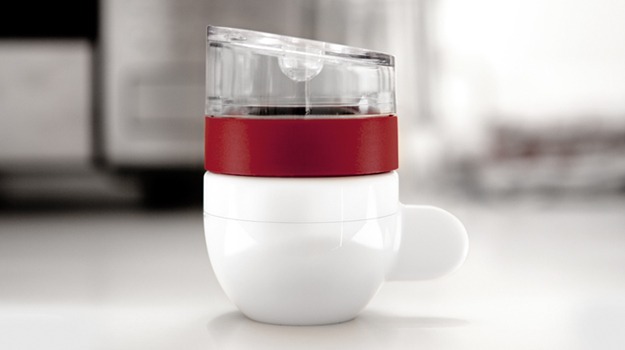
Talk to any espresso connoisseur worth their weight in Stumptown Hairbender grounds and you’ll likely get into an argument about the ‘best way’ of pulling a proper espresso shot. Truth be told…it is an exact science that is hard to replicate outside of traditional espresso-craft tools. Despite this, the market for on-demand coffee is still a thriving market with the likes of everybody from Nespresso to Keurig churning out new products seasonally for those who can’t make it to their corner coffeehouse. The Piamo presents itself in an interesting category by allowing the instant-gratification of on-demand coffee with the choice of your own coffee…all from the convenience of the microwave.

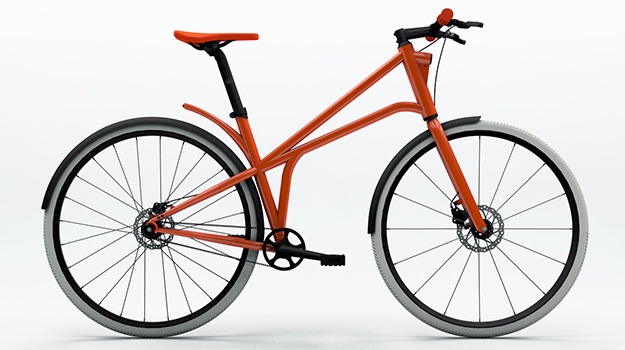
Gone are the days where a simple bag attached to a pre-existing road or single-speed bike is the norm for urban bicycling. These days, the niche market for urban bicycles has never been stronger nor demanded as much attention. With projects like the Oregon Manifest gaining more attention (and a sponsorship from the Levis Commuter Collection), it comes with little surprise that independent designers are also using this as an opportunity to throw their own designs out there. One of the latest designs to come out of the urban bicycle movement comes from former Nike Design Director Eric Duvauchelle and his brother Antoine in the form of CYLO, which aims to bridge the gap between performance and function for today’s demanding urban bicyclist.

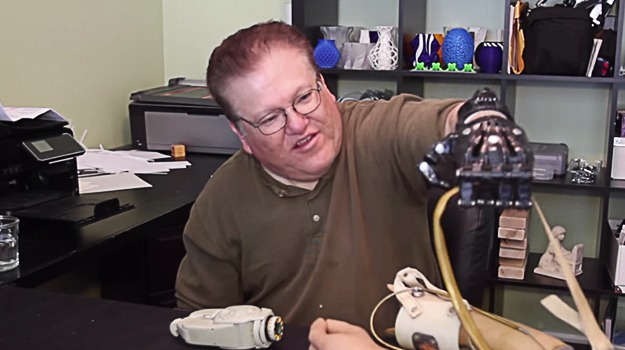
It’s no surprise that among those who are the most excited about the near-future of additive manufacturing possibilities are those in the medical field. Whether it’s a neurosurgeon who is experimenting with on-demand customized skull implants or a five-year old who is suffering from Amniotic Band Syndrome, the power that a $2,000 mini-factory yields is truly revolutionary in this industry alone. But while a 3D printer may be able to create anything on-demand, it is not without it’s own material and design limitations…especially when comfort, strength, and reliability are of the utmost importance for most medical products. In this recently-released video from 3Duniverse.org however, we get an intimate look into why a 3D printed hand just might be a better solution than an existing prosthesis costing tens of thousands of dollars.

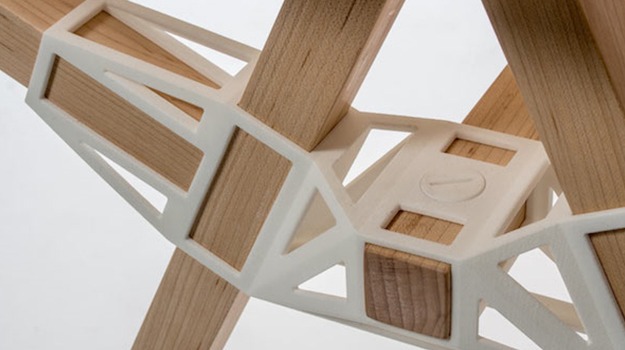
Between the ANICE Stool from designer Arthur Schmitt (download file for free from Thingiverse here) and the newly-released Keystone collection from Studio Minale-Maeda, the ability to create one’s own furniture can be done with a consumer-grade 3D printer and a few $1.50 custom cuts from Home Depot. While those who are lucky enough to have access to a wood shop might rather focus on dovetail joints, this new trend in DIY furniture is a welcome surprise for those in large metropolitan areas with limited access to any sort of reliable wood working equipment.