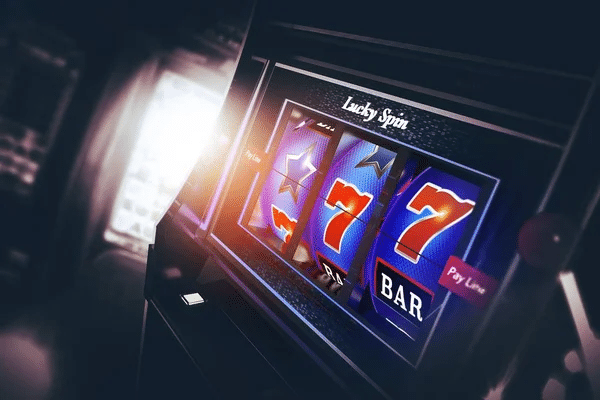
Have you noticed how modern online slot games are starting to look and feel like popular mobile games?
Instead of focusing only on spinning reels and matching symbols, developers are introducing features commonly found in puzzle games, adventure titles, and casual entertainment apps.
From interactive challenges to colourful animations and character-based storytelling, online slots are adopting creative ideas from other gaming categories. These changes are influencing how games look, how players interact with different features, and how entertainment is presented.
But what makes casual gaming elements suitable for online slots? The answer involves familiar controls, visual creativity, interactive features, and the growing influence of mobile entertainment.
Why Casual Gaming Features Are Appearing in Online Slots
Casual games are generally known for their simple controls, easy-to-understand rules, and accessible gameplay. Popular formats include puzzle games, matching games, card games, and short adventure experiences.
Traditional slots already feature relatively simple interactions. Players select their settings, initiate a spin, and observe the outcome. However, modern developers can build additional entertainment features around this basic structure.
For example, a slot game might include an animated character who introduces special features or a themed environment that changes during bonus rounds.
Such additions can make the overall presentation feel closer to a casual mobile game.
Importantly, these visual and interactive changes do not necessarily affect the underlying mathematics. Slot outcomes remain governed by the game’s rules and random number generation system.
The UK Gambling Commission’s technical standards for random outcomes require regulated games to produce acceptably random results and operate according to their published rules.
Adding Mini-Games and Interactive Bonus Features
One of the clearest connections between casual gaming and online slots is the use of mini-games.
In traditional slot formats, bonus features often involve free spins or special symbols. Modern designs can also introduce interactive sequences that resemble simple puzzle or selection games.
Making Bonus Rounds More Interactive
Imagine a slot game based on an ancient temple. During a bonus feature, players might choose between several mysterious doors. Each door could reveal a different animation, symbol, or prize determined according to the game’s rules.
Another game might feature a character moving across a map, opening objects, or selecting items during a bonus sequence. These features create opportunities for interaction without requiring complicated controls.
However, developers must clearly distinguish genuine choices from predetermined outcomes. Selecting an object does not automatically mean that players can influence the game’s random results.
Using Progression Systems Inspired by Mobile Games
Progression systems are common in casual gaming. Players may unlock new areas, complete challenges, or receive visual achievements after reaching certain milestones.
Online slot developers are experimenting with similar presentation techniques. Some games include collection features where specific symbols contribute toward a visible objective. Others use progress meters or themed sequences to show how a feature develops.
Creating a Sense of Visual Progress
Consider a fantasy-themed slot where collecting special symbols gradually changes the background from a quiet village into a glowing castle. This progression can support the game’s story and make different stages visually distinct.
Developers may also incorporate achievement-style notifications, character introductions, or decorative unlocks.
Nevertheless, progression should not be confused with improving winning probabilities. A progress bar may relate to a specific game feature, but it does not guarantee future payouts unless the published rules explicitly provide for that outcome.
Bringing Storytelling Into Slot Game Design
Storytelling has become an important creative element across many gaming categories. Casual adventure games often use characters, changing environments, and short narrative sequences to establish a recognizable identity.
Online slots can incorporate these ideas through themed reels, background animations, and bonus-round scenes.
Characters Give Games a Stronger Identity
A jungle-themed slot might feature an explorer searching for hidden locations, while a science-fiction title could introduce a robot travelling between planets.
These characters can appear throughout the game, reacting to symbols or introducing new visual scenes. Developers can also use environmental changes to communicate progress within a storyline.
For example, a game might begin in a peaceful forest and shift to a magical nighttime setting during a bonus round.
Such details help connect the artwork, sounds, and gameplay features into a consistent creative concept.
Making Online Slots More Suitable for Mobile Screens
The popularity of smartphone entertainment has influenced how developers approach game interfaces.
Casual mobile games typically use large buttons, clear icons, responsive menus, and layouts that work comfortably on smaller screens. Online slot interfaces can benefit from these same design principles.
Simple Controls and Clear Navigation
Modern slot layouts often place essential controls within easy reach while keeping important information visible.
Developers must consider screen orientation, text readability, loading performance, and animation quality when adapting games for mobile devices.
A complicated interface may make it difficult to identify settings or understand how a feature works.
Clear navigation helps players distinguish between gameplay controls, informational menus, and account-related functions.
Responsive layouts also allow visual elements to adjust across smartphones, tablets, and desktop screens.
Borrowing Visual Effects From Casual Puzzle Games
Colourful visual feedback is another familiar characteristic of casual games.
Puzzle titles frequently use animated transitions, particle effects, changing backgrounds, and distinctive sound cues to communicate gameplay events.
Slot developers use comparable techniques to make game actions easier to follow.
For example, special symbols might glow when they activate a feature. A themed animation may appear when a bonus round begins, while background colours change to indicate a different game state.
Introducing Social Gaming and Community Elements
Casual gaming also provides inspiration for social features. Many mobile games include profiles, leaderboards, shared achievements, and community challenges.
Similar ideas can appear within the broader online slot platform experience.
For example, platforms may provide optional profile customisation or non-monetary achievement displays. Some interfaces also introduce community-themed events or shared visual experiences.
However, social features need careful implementation in gambling environments. Competitive spending systems and reward structures that encourage excessive play can create additional risks.
Developers must consider how these features influence behaviour rather than treating every casual gaming mechanic as suitable for gambling products.
Why Responsible Design Matters
Combining casual gaming features with online slots creates new creative possibilities, but it also introduces important responsibilities.
Casual games and real-money slots are fundamentally different. In a gambling environment, players risk money, and appealing animations or progression systems must not obscure that reality.
Developers should provide clear information about game rules, bet amounts, outcomes, and available player controls.
Session information, accessible settings, and understandable explanations can help users make informed decisions.
The UK Gambling Commission’s safer game design rules introduced restrictions on features such as autoplay, accelerated spins, and misleading win celebrations to address risks associated with intensive gambling.
The Future of Casual Gaming Influences in Online Slots
As gaming technology develops, online slots may continue borrowing presentation ideas from puzzle games, adventure experiences, and interactive entertainment.
Future designs could place greater emphasis on character animations, customisable visual environments, accessible controls, and story-based bonus features.
Developers may also experiment with more distinctive art styles and interactive sequences that make individual titles easier to recognise.
However, successful design is not simply about adding more features. Every element should serve a clear purpose and fit naturally within the game’s rules.
The strongest connection between casual gaming and online slots is their shared emphasis on accessible interfaces and visually understandable experiences.
By combining familiar gaming ideas with clear information and responsible design, developers can create more varied slot experiences without changing the fundamental chance-based nature of the games.