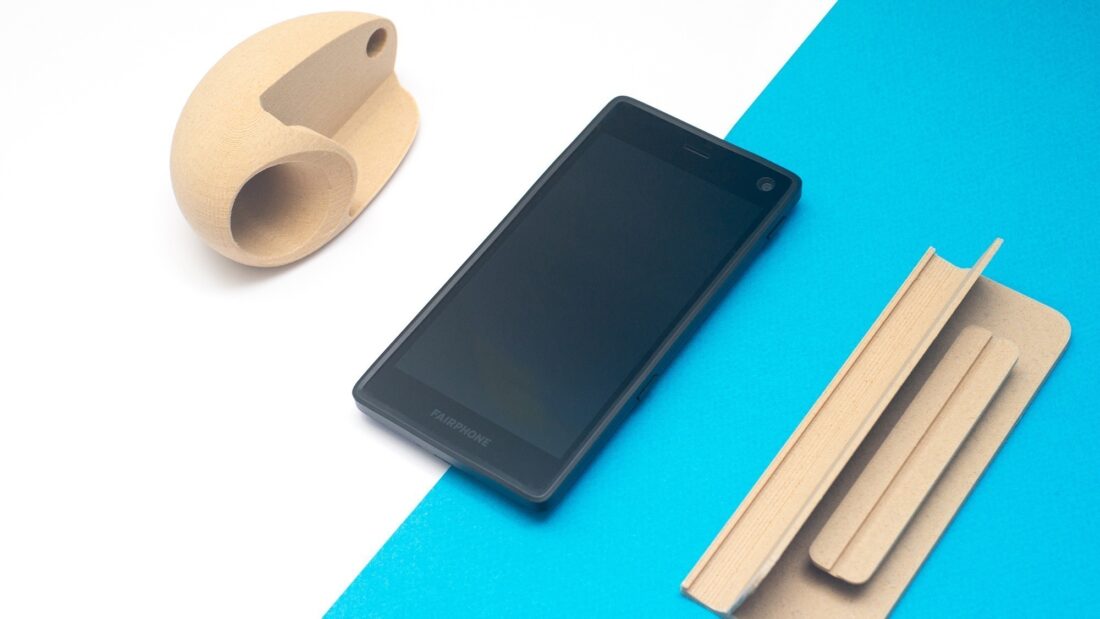
With smartphones practically hanging off our faces, accessories for them are essential. Do you want to be the person without a custom case or a cracked screen? Of course not, which is why those cases and other accessories are as important as the phone itself. With a variety to choose from, it’s easy to customize your phone and protect it, but how about accessories that are not only stylish, but “socially conscious”?
This week’s Spotify-powered SolidSmack Radio Playlist knocks you in the pop sockets with head-boppin’ groove tuneage to help propel you through the work week in style. Whether you find yourself inking markers until they’re dry, grinding material through a bandsaw or working that 3D geometry all day, consider these tracks as a tool for your…
Ever since its release early this fall, the Sonos PLAY:5 has been getting rave reviews – saying the petite speaker packs a punch and delivers great no matter if you’re using the iPhone or a tablet. Such great reviews may be enough to convince you to put it on your post-Christmas list, but going behind the scenes and learning what went into the device may sell on why it’s one of the best portable speakers on the market.
Back in 2014, Great Britain’s premier postal service, The Royal Mail, tied up with 3D printing company iMAKR, to offer their customers a 3D printing option on objects ranging from key chains to mini postboxes in the latest bid to retool the company for the 21st century. Similarly, La Poste Group, France’s national postal service in partnership with Cults, the platform to “Innovate and Create in 3D” aim to introduce mail users to the world of 3D printing. On this platform, there are three possibilities: download free 3D models, contact 3D advisors of La Poste to achieve a 3D printing project and finally, 3D model directly from the website.
Read our interview with Shapr3D’s István Csanády here.
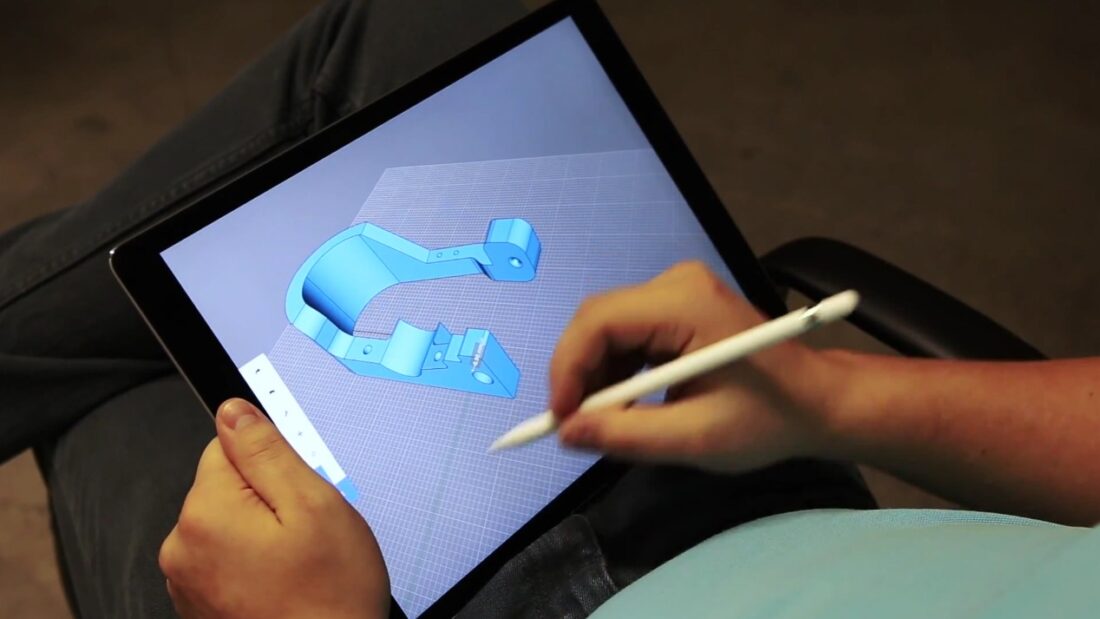
Ever wonder why 3D modeling wasn’t more like sketching? Or sculpting? Why we’re limited to mouse clicks? I’ve had that conversation with multiple people. Some thin modeling with a stylus (a pencil) doesn’t seem intuitive. I’d say the mouse is the device that doesn’t seem intuitive — especially if you’re a left-handed person using a right-handed mouse, but I digress.