While the iPhone 5S shares many similarities as the iPhone 5 (as expected), the iPhone 5C is an entirely different manufacturing ballgame. In the announcement keynote, Apple’s VP of Design Jony Ive confidently noted that the iPhone 5C is ‘unapologetically plastic’. Those two simple words are still burned into my brain over a week later and are perhaps the best way I’ve ever heard somebody talk about designing with plastic. Yet despite Apple’s foray into designing plastic phones, the real test happens when the phones have been dropped dozens of times by over-excited tweens and multi-taskers. How does the plastic iPhone hold up against its aluminum big brother?
Plastic iPhone: From Manufacturing to Drop Test

For those who haven’t seen the above video yet, feel free to watch it again and pause over the machining clips: yes, this is some of the most precise design work you’ve ever seen in plastics. What’s great about an Apple plastic product is that they may cut corners, but they’ll cut less corners than most other manufacturers: you’re not going to see any ejection pin marks on the inside of these housings for one thing. Additionally, the use of methods traditionally seen in metal fabrication allow for more precise edges and less room for unpredictability in the final execution:


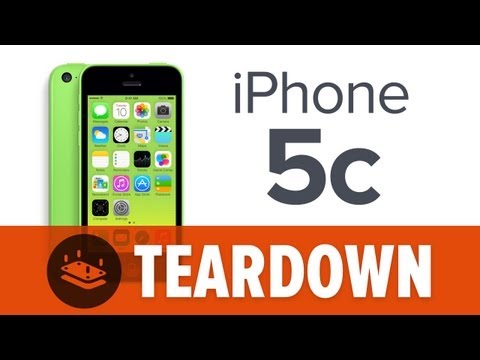
The iFixit crew gave us a good peak at what’s inside, too:
But no matter how much you can appreciate a product from a manufacturing standpoint, the real-life use of a product—especially a smartphone—will always be one of the only true tests for getting the attention of consumers. Released this morning by Android Authority, the first iPhone 5S and 5C drop test video shows us just how the plastic iPhone holds up against it’s metal sibling:
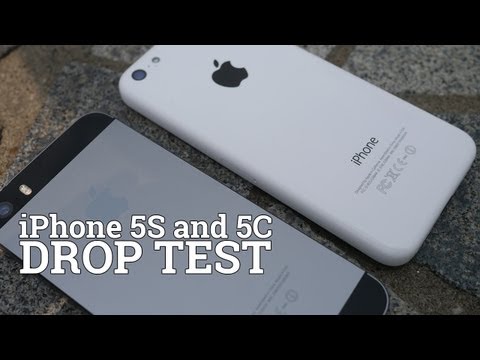
Well, there you have it.
(Images via Apple)