We can slap some text into Photoshop, apply layer styles and churn out some quick LetterPress lookin’ crap, but the process that goes into creating the real thing is much, MUCH more time consuming. RISD students Phil Cao and Kebei Li show the intricate process behind the typesetting task of making one section of one poem using this old school printing press technique.

Sitting at the ledge, the small boy bot lowered his visor. This is what he was made for and, as it happens, the only thing that made him feel quite human. They were close. He sensed them. Pushing off from the ledge he dove into the ravine, fire packs initiating. Around the bend, they came,…

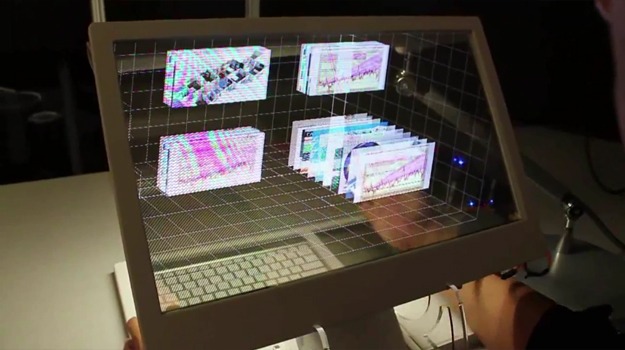
If you’ve ever been at an all-you-can-eat buffet and started playing with the mash potatoes beneath the sneeze guard, dreaming of the future, you’ll be overjoyed at the 3D display tech coming out of Microsoft Research. It has nothing to do with mash potatoes (yet) but it does seem there are no bounds to what can be done with a Kinect device these days. We’re inching toward more interactive design environments and this new prototype 3D display from the Applied Sciences Group is yet another example of where display tech may be heading.

If the whole industry that PLM has been built on was a massive bear mama, Autodesk just grabbed it and gave its jowls a good shaking, then proceeded to mount and ride it. On February 29th, Autodesk launched their PLM product announced last year at Autodesk University, Autodesk PLM360. It’s a completely web-accessible, highly customizable platform to help organize the vicious design process from start to finish. Their goal (besides making loads of cash) is to make the obscure and exorbitant cost of PLM implementation and usage go away. I believe they’re actually helping people understand what PLM is along the way.